 Jordan2
 Kilimanjaro9
 Morocco4
 Uganda4
 United Arab Emirates3
 Argentina3
 Chile2
 Cuba2
 Ecuador3
 Guyana2
 Peru12
 Bhutan4
 Indonesia3
 Ladakh4
 Nepal12
 Pakistan1
 France2
 Georgia3
 Greenland2
 Norway2
 Svalbard4
 Trekking
 Summits
 Arctic
 Winter
 Kayaking
 Multi-activity
 Safaris
 Ultimate
 Kandoo Lite
Trek the Tepuis
- 10days
- Moderate
- 705 mtotal ascent
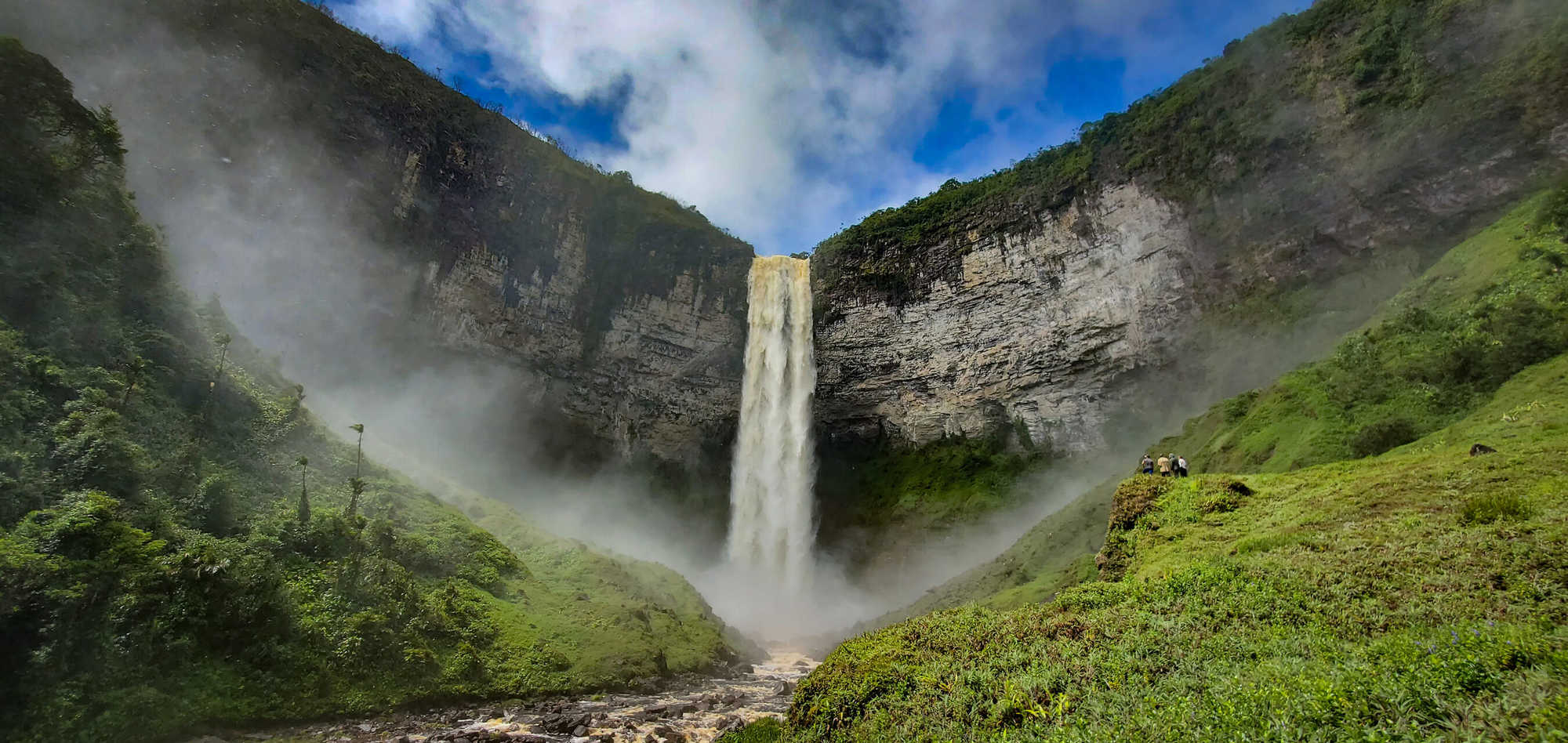 © Wilderness Explorers
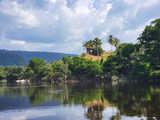
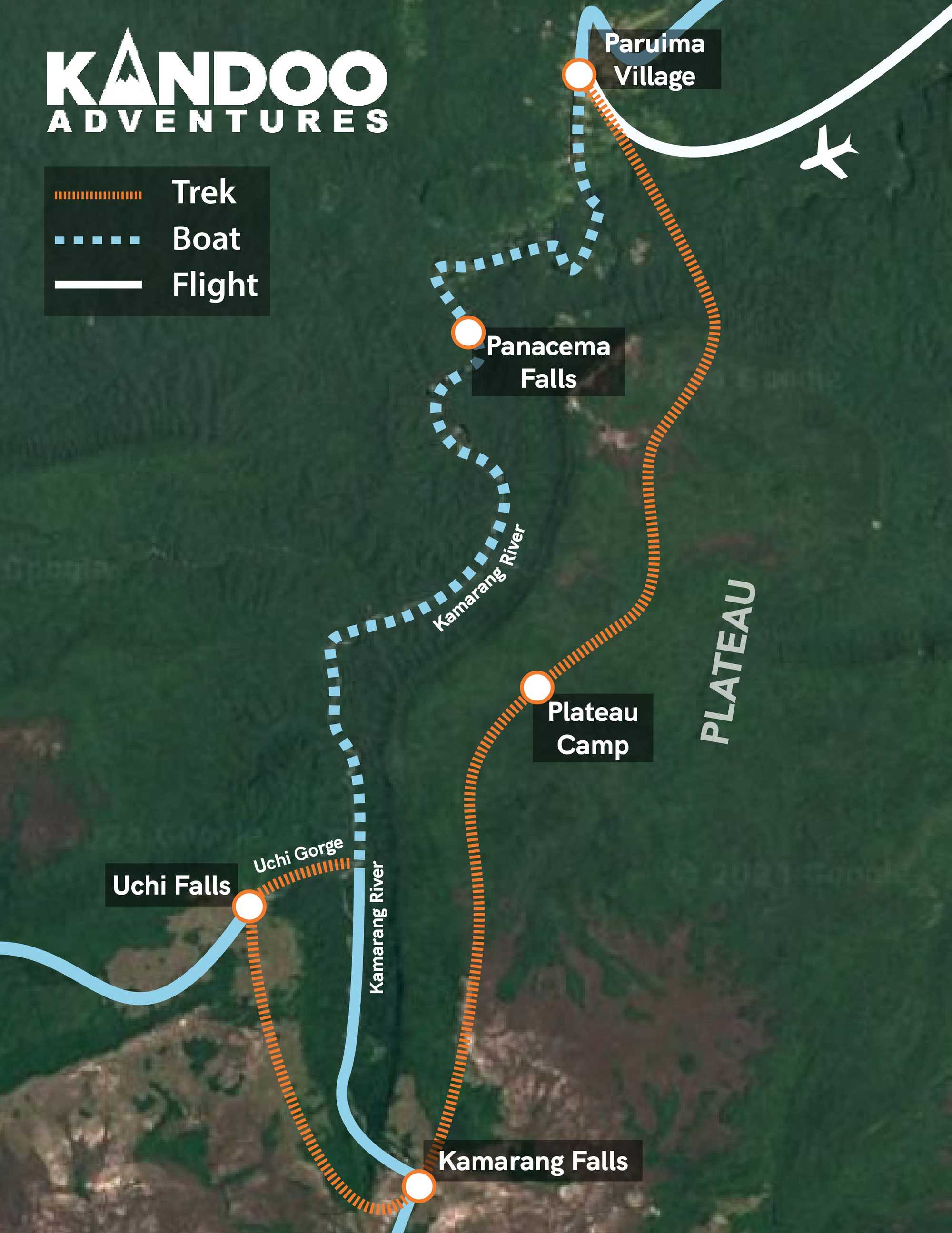
Follow the roar of the falls. Embark on a pioneering adventure across the remote tepui plateau that towers over the indigenous settlement of Paruima. Deep in the Guyana highlands, this thrilling adventure climbs up through luscious rainforest onto the wide, expanse of highland savannah, stretching out to the torrenting Kamarang Falls. Sleeping in hammock camps and bathing in natural infinity pools, we traverse the savannah to the stunning drop of Uchi Falls. Some of the first people to ever set foot in this untouched utopia, we revel in it's beauty before floating back downriver through pristine rainforest to the impassable Panacema Falls.
Nestled on the banks of the Kamarang river, Paruima is the only Arecuna settlement in Guyana and it's inhabitants are known for their unique basket weaving skills, wood skin canoes and traditional hunting techniques. During our time in the village, we will hear tales from the local linguists about life in the depths of the Amazon and learn basic skills essential for survival in such a secluded environment.
To offer this trip we have partnered with the very best local operator who provides support for almost all of the adventure companies working in Guyana. Their expertise and health and safety procedures are second to none so you are in the safest hands possible for your Tepui adventure.
Trip highlights
- Meet the friendly locals in the community of Paruima
- Trek across the unique environment of the Tepuis
- Be some of the first people to experience the echoing thunder of the Uchi Falls gorge
- Relax in the knowledge this trip is fully carbon offset
- 6 to 8 hours walking or activity each day.
- Up to 1200m of vertical ascent per day.
- You may be reaching altitudes over 4000m.
You should have a good level of fitness and be accustomed to long days of hiking.
10 days, day by day
Every day of the trip, with walking times, nights and meals.
Today our driver will meet you upon arrival at Cheddi Jagan International Airport (GEO). They will be holding either a Kandoo Adventures sign or a board displaying your name. Then you'll take a private transfer to our hotel where you will then have the rest of the day to relax or explore Georgetown. This evening, your guide will meet the group for your pre-trip briefing.
- Hotel
- Private transfer
This morning after breakfast we take to the skies, as we board a scenic flight over the dramatic landscape of Potaro Valley and the thundering Kaieteur Falls...there aren't many views more picturesque than this. Landing on a small airstrip nearby to the falls we have an hour or so to explore the area. Kaieteur creates it's own unique environment in which huge Tank Bromeliads house tiny Golden frogs, and the rarely seen Guianan Cock- of-the-Rock nests close by, flouting its brightly coloured plumage to lucky spectators.
- Hotel
- Breakfast
This morning we board our small aircraft and take our flight to the interior. As we cruise over the vast expanse of pristine rainforest, the wilderness surrounding Paruima appears endless. Dipping down to our landing strip, the quaint colourful wooden houses of Kamarang, dotted amongst perfectly manicured gardens of a soft green hue, become visible. We have lunch in Kamarang then make the 10 minute walk to our dugout canoe boat transfer, which will take us to the indigenous community of Paruima. Paruima has a population of around 800 people and is often referred to as the "breadbasket of the Upper Mazaruni" due to it's fertile land. We are greeted by smiling, friendly locals and taken to our guesthouse where we will spend the night.
- Guesthouse
- Breakfast / Lunch / Dinner
- Flight
After an early breakfast, we head out on the first part of our trekking journey, ascending up onto the plateau of the magnificent Tepui which overlooks Paruima. This giant tabletop mountain has formed as the softer stone around it has eroded away to leave a large flat plateau standing proud over the surrounding hillside. The sheer cliffs that encircle it boast cascading waterfalls and an eclectic variety of wildlife. Our trek begins by climbing steeply to the top of the plateau, gaining around 2000ft, before stopping for a well deserved lunch break on the top. This afternoon, we follow the relatively flat plateau to our camp for the night - Tangwaiya eco camp - where a delicious dinner of fire roasted food awaits.
- 7 - 8 hours walking
- 600 m up
- Tangwaiya Eco Camp
- Breakfast / Lunch / Dinner
Pick your departure
Small groups that run once a few people book, and guaranteed dates that run whatever happens.
Private departures, on the dates you choose.
This trip runs for private groups. Tell us your dates and group size and we'll price it.
Ask for dates- Airport transfers
- Double or twin accommodation at hotel/guesthouse
- Full Board hammock camping
- Full Board whilst trekking
- All road and river transfers in Paruima
- Internal flights in Guyana
- Activities as described
- Experienced, knowledgeable local guides
- Village fees
- Kaieteur National Park fee
- Kaieteur Falls scenic flight
- International flights
- Visa
- Drinks and personal expenses
- Tips for guides and crew
- Travel Insurance
- Personal trekking equipment
- 5 days
- from £1,499
 Route map
On the trail
Before you go
Difficulty, food, rooms, kit, money, visas and health, straight from the trip dossier.
Download trip dossierWe have rated this trip as moderately challenging. If you are used to multi-day hiking with a rucksack over uneven terrain then this trip is well within your ability. Once on the plateau the trekking is relatively flat, however there is a bit of a climb to get up there on Day 4 and a steep descent to return back down on Day 7. You need to bear in mind that you have selected a tour that is, in part, in very remote areas and the paths that we will be using aren't frequently trodden. Expect to contend with muddy sections, uneven ground on river beds and forest trails with roots and fallen branches.
Your participation is part of the challenge of the trip and you will find the more involved you are in all the activities, the more rewarding the experience. Unlike some of our other tours, on this trip you will be expected to carry your own equipment in your rucksack each day, so make sure to pack light! As well as hiking, you will also be packing away and putting up hammocks, assisting with cooking, loading and unloading boats and fetching water. There are no porters, cooks or waiters on this trip, you are part of the expedition and must do your share of the work. Although this makes the adventure more demanding, it also adds to the enormous sense of satisfaction and achievement at the end of your journey.
If you have any questions about your suitability for this trip or would like more specific information about what to expect, please do not hesitate to contact us.
Whilst in Georgetown you can choose to eat at the hotel restaurant or at one of the street food stalls, the best of which can be found along the seafront. Try some of the local cuisine including; Metemgee, Channa and Sour, Eggballs or a Pinetart and wash it all down with a glass of rum.
Whilst in the rainforest, mealtimes will be part of expedition life and you will be expected to take part; you may be asked to fill up the water filter, maintain the fire, monitor the water as it boils and clean up your personal dishes. The guides will be carrying food for each day whilst trekking, this will include a main evening meal, noodles, oats, cookies, crackers, snack bars, peanuts, canned tuna/sardines, coffee/tea etc. We would encourage you to bring some of your favourite snacks from home to add to this but the pack itself will provide all the energy you need for the day.
Whilst trekking, you will need to bring your own water filter or purification system so that you can refill your bottle at any point throughout the day.
Dietary requirements can be difficult to cater for due to the remoteness of the camps in Guyana; a vegetarian diet can easily be catered for, however vegan options can be harder to provide. If you have a strong allergy to specific foods such as nuts, this can also be difficult as we will be carrying and cooking all the food together and we can't guarantee a sterile environment in the camps. Please let us know of any dietary requirements as soon as possible and we will do all we can to cater to your needs.
On this trip we will be staying in hotel, hammock camp and guesthouse accommodation. The hotel we use in Georgetown has a restaurant, bar, wifi and is in a central location, close to downtown. Our hotel will be booked on a B&B basis and you will be in twin rooms with en-suite bathrooms.
Whilst trekking we will be sleeping in hammock camps each night. Hammock camps are very much open air, each consisting of a thatched shelter under which hammocks are strung up (earplugs for these nights are essential!). A kitchen area will also be set up which will include small camp chairs, a water station and fire. This will be where you eat your evening meals and socialise whilst at camp. The toilet situation whilst in our expedition camps is a case of "going wild" and our guides will usually designate an area in which to do this. You will need to bring some toilet roll with you, please ensure you dispose of this appropriately in the rubbish bags provided.
In Paruima, we will be staying in guesthouse accommodation. This is run by some of the friendly locals, booked on a full board basis and you will stay in simple twin rooms with ensuite bathrooms.
To offer this trip we have partnered with Wilderness Explorers, a local operator who provide support for almost all of the adventure companies working in Guyana. You will be supervised by their experienced, English speaking Guyanese guides.
Airport transfers in Georgetown will be in comfortable, private minibuses.
You will fly to the interior on a light aircraft and transportation once in the interior will consist of motorised dugout canoes and inflatable rafts.
Domestic flights
To travel into the interior of Guyana for your trek you will be flying on a small, prop plane that carries no more than 19 passengers. Due to the size of the plane, there is a strict 9kg weight limit on your luggage allowance.
Main Bag Weight: 9kg
Domestic flights in Guyana operate a strict limit of 9kg for your main equipment bag on this trip. This is more than sufficient for your needs on the trek. Your bag will be weighed before you board your domestic flight to Paruima. Additional weight can be bought at a cost of GY$300 (US$2) per pound.
Please note: additional baggage weight is subject to availability and cannot be confirmed until the day of check-in by the airline. If the luggage exceeds the payload of the aircraft you are travelling on it may be removed and placed onto a later flight. Any excess luggage you wish to leave in Georgetown can be left in safe storage at the hotel.
Whilst trekking you will be carrying your own equipment in your rucksack each day (no more than 12kg with water included) so ensure to pack light! One set of clothes for the day, and another for night will suffice for this trip (clothes for before and after the trek can be left in Georgetown). To ensure you have enough space in your main bag please bring a rucksack that is 45-50 litres.
You can fly into either Cheddi Jagan International Airport (GEO) or Eugene F. Correia International Airport (OGL) on Day 1 of your trip.
From US there are daily flights to Cheddi Jagan airport with American Airlines. They offer a daily service from New York and on some days two flights from Miami. There is also a direct nonstop service with United Airlines out of Houston.
From the UK, there is a direct service with British Airways on a Monday and Thursday, which has a short stopover at Saint Lucia. As there are daily flights from the US, it is also possible to do a combination of British Airways and American Airlines flights via New York or Miami. Both British Airways and Virgin also fly to Barbados where it is possible to connect with InterCaribbean Airlines and Caribbean Airlines to Guyana.
As of June 2025, KLM will also be running a service to Guyana on a Wednesday and Saturday. With KLM it is possible to connect from most airports in the UK via Amsterdam.
Upon arrival at the airport, once you have exited the Arrivals area, keep an eye out for our driver who will be waiting to meet you. It takes about 45 minutes to drive to our hotel from Cheddi Jagan (GEO), and about 20 minutes from Eugene F.Correia (OGL).
Travelling Responsibly
Here at Kandoo, we like to support our guests to make their travel more sustainable. As of 2025, we are offsetting the carbon on all of our trips from arrival in destination to dropping you back off at the airport. As we don't include flight travel in our trips these aren't included in our offsetting calculations, so we are providing you with the calculator below for you to do this yourselves.
eC02 Flights Calculator
It is a requirement of joining any of our trips that you attend a pre-trek briefing the evening before the trip begins. This gives our guide team the opportunity to review the plans for the trip with you, make sure you have all the right gear and answer any questions you may have. The briefing in Georgetown is held the evening before the trip begins and will be arranged by your guide upon arrival at your hotel. Should you arrive on a late flight, you will have your briefing on the morning of Day 2.
The currency in Guyana is the Guyanese Dollar (GYD / GY$). This is a closed currency so you will not be able to purchase these before you arrive. You will need to bring US Dollars with you to exchange in country. It is very important that US bills be new (no more than 10 years old), crisp and untorn. Our hotel in Georgetown will exchange money for you, simply let us know how much you plan to bring and they can have it ready for you on arrival, or alternatively, your guide can take you to one of the local Cambios in the city where you can exchange money. Please note that once you are out on your trek there won't be anywhere for you to exchange money so this must be done before leaving Georgetown. Traveller’s cheques and credit cards are also useless outside of Georgetown as you need a bank to use them and you will be at least 450kms from the nearest one in the jungle.
If you are relying on a credit or debit card for emergency funds, make sure you tell your card issuer that you will be using it abroad, or you may find that it won't work when you really need it.
Tipping is customary in Guyana but is completely voluntary and, if you decide to tip, the amount should reflect the level of service you feel you have received. You should budget for tips for your guides and support team on your trip. We recommend budgeting GY$170,000 – 200,000 (equivalent to US$80 – 100 / £60 - 75) per person per week for your tips.
Tips should in local currency and be given to your lead guide to distribute to the rest of the team.
All travellers will need a passport which will remain valid for at least 6 months longer than your expected visit. You will also need to present proof that you have a return ticket, and proof that you have sufficient money to support yourself during your stay in Guyana.
Each traveller is responsible for sorting out their own passport and visa requirements, and we cannot offer much assistance in this matter. If you do not yet have a passport, apply for one early, as they can take some time to arrive. If you already have a passport, double check when it expires.
The following countries do not need a visa to enter Guyana: Commonwealth countries including UK, USA, Belgium, Denmark, Finland, France, Germany, Greece, Ireland, Italy, Japan, Korea, Luxembourg, Netherlands, Norway, Portugal, Spain, Sweden and Switzerland.
On arrival you will be granted a maximum 30 day stay in the country. If you are arriving from or transitting for 4+ hours through a country with Yellow Fever you must produce a Yellow Fever vaccination card before your 30 day stay will be granted. This information may be subject to change, without notice, by the local authorities. It is your responsibility to check the latest travel requirements and information before departure. Other nationalities should check their local government guidance for travel to Guyana.
The World Health Organisation recommend the following vaccines for travel to Guyana:
- Yellow fever - required for all travellers arriving from or transitting for 4+ hours through a region with yellow fever
- Hepatitis A
- Typhoid
- Rabies
Other vaccines to consider include:
Hepatitis B, Tetanus, BCG (tuberculosis), MenACWY, and MenB (meningitis).
Before you can join any Kandoo Adventures trek, you will need to insure yourself against accident, injury, and illness.
Your insurance must cover the cost of helicopter evacuation and repatriation if necessary. Make sure your insurer knows of your travel plans, and verify that your policy fully covers your trek and any other activities you will participate in. Specifically, for all our adventures in Guyana, you need to be covered for trekking in the rainforest and for boat travel on the rivers. It is your responsibility to ensure that you are fully and adequately insured for the duration of your trip. Please ensure that all activities, excursions and destinations in your itinerary are included in your travel insurance policy, in addition to your regular cover for cancellation and medical expenses.
We ask that you keep a copy of your policy summary (containing policy number and the emergency contact number for your insurer) on your person at all times, so that we can access this information should we need to contact the insurer on your behalf.
Be sure to read the small print carefully for any policy you are considering - different policies provide different levels of cover, so make sure you understand what is and isn't included in your policy.
Malaria
Many of the areas you visit in Guyana's interior will have no malaria, however, we would recommend you plan to take anti-malarial medication as a precaution. All beds in the interior will have mosquito nets, and hammocks with specially fitted mosquito nets are provided. In addition to taking medication, we would recommend you take every precaution to prevent mosquito bites by wearing long-sleeved trousers and shirts at dusk and dawn when the mosquitos are active, and by using a DEET based mosquito repellent. Please discuss any medication queries with your doctor.
Wildlife Sighting
It is impossible for us to guarantee sightings of wildlife, but our trips are designed around known wildlife habitats and our team are highly skilled and knowledgeable about the animals that live in these areas. The team will make every effort to ensure a sighting for our guests, but cannot be held responsible if no sighting is made due to elements beyond our control. All interactions with local wildlife put the animals first, ensuring that there is as little impact on them as possible; keeping a distance where necessary, creating minimal sound pollution and leaving no trace.
Hammock - Lightweight, with a built-in mosquito net.
Blanket - for nights in the hammock.
Hydration bag - 2 to3 litres.
Canoe Bag - To line your rucksack and keep the contents dry during river crossings etc.
Dry bags - Water-resistant bags to keep your kit dry within your rucksack.
Eating utensils - Mess tin and spoon.
Mat - For powdering your feet before climbing into your hammock.
Safety kit - As needed. Includes lifejackets, karabiners, light sticks, radios, satellite phones, medical kit, rope, etc.
You will receive this equipment upon arrival in Paruima. If you have some of this kit yourself and wish to bring it instead you are more than welcome, however please keep it as light as possible. Your bag should weigh no more than 9 kg as it needs to fit onto a very small plane for your domestic flight.
Tips whilst in the Amazon -
When on trails we recommend that you cover up fully (long pants and long sleeves), use insect repellent and tuck pants into socks.
You have a limit of 9kg weight allowance for all your equipment for this trip so clothes need to be kept to a minimum - preferably one outfit for the daytime and one to sleep in at night.
HEADGEAR
Neck gaiter or scarf - comes in useful for staying warm on cooler nights in camp
Sun hat – preferably wide-brimmed for protection
Sunglasses – high UV protection
UPPER BODY
Long sleeved shirt (x 2) - Lightweight and long-sleeved. Ensure shirttails fit into your trousers well and do not always pull out, leaving a nice bit of skin for bugs to bite!
Comfortable warm layers for night times at camp - it can get quite cold on the plateau
Lightweight waterproof hard shell outer jacket.
Bathing clothes - Comfortable and active swimwear to use for bathing
LEGS
Comfortable lightweight trousers (x 2 pairs) - Lightweight, quick drying and full length, please don't bring tight leggings as these won't keep you cool in the warm humidity of the rainforest.
Warm layer for night time at camp
Underwear - quick drying material, preferably not cotton.
Gaiters - Help keep your trousers clean in wet and muddy conditions.
FEET
Trekking boots – mid weight with good ankle support.
Sandals - You will need to wear these when swimming in rivers and around camp so they need to be fixed to your feet as Teva type do, but also allow your feet to dry and air. A pair of Crocs is perfect!
Long socks (x2 pairs)
Comfortable backpack for carrying equipment whilst hiking (45-50 litres) - we recommended bringing a dark colour so you don't attract bugs
Smaller daypack for exploring around camp
Camera and spare batteries
Trekking poles - an essential on uneven ground
Water bottle - 2 litres minimum
Sarong / Microfibre Towel - Multiple uses include a towel and hiding your modesty! A small normal towel is fine, though a sarong is best
Head torch and spare batteries - Head torches with a red filter are great for stopping pestering bugs at night
Insect repellent – ideally contains 50% DEET
Sunscreen - no more than SPF 30 is necessary. Ensure it is waterproof and non-scented, so as not to attract insects
Toiletries, including toilet paper, wet wipes and hand sanitiser – please keep to a minimum. Do not use pop-top caps; get screw top otherwise, your toothpaste will explode in your pack – nice!
Personal snacks and energy bars – dried fruit and nuts are also a good source of energy
Isotonic drink powder / energy drink powder to mix in with your water. This improves flavour and helps replace electrolytes
Ear plugs, if you are a light sleeper
Entertainment - for quiet evenings at camp
Photography:
To protect your cameras etc. it is a good idea to bring a water casing, particularly for your journey down the river at the end of your trek. Wrap them in plastic bags and only take them out when you are actually going to be using them.
More like this
 Tanzania
Safaris
Private 4-day Safari
 Peru
Kandoo Lite · Trekking
Inca Trail - Lite
 Peru
Trekking
The Inca Trail
 UgandaSale
Summits · Trekking
Sipi Falls & Mount Elgon
 Uganda
Safaris · Trekking
Gorilla Trekking and Safari in Uganda
 Indonesia
Multi-activity · Summits
Bali Multi Activity